History

Chinese Fans in the Qing Dynasty

In the Qing dynasty, Chinese fans reached their peak of luxury — sandalwood and ivory ribs at court, silk round fans in the palace, and painted export fans shipped from Canton to Europe by the thousand.

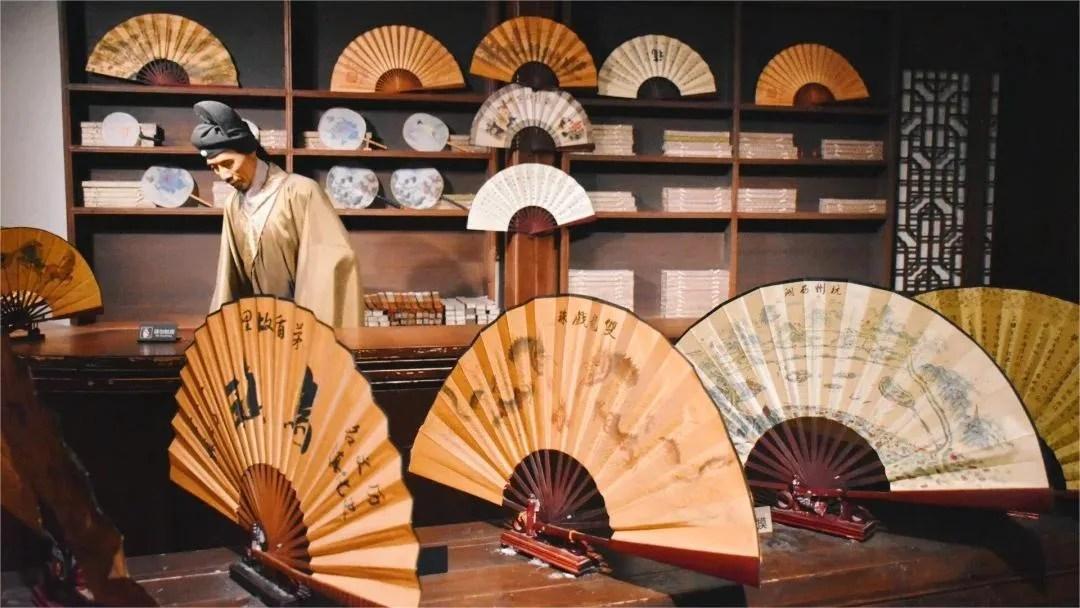
Folded Chinese fans with decorative silk tassels

In this guide, “Chinese fan” refers to the traditional hand fan (扇子) — not fan culture or the surname Fan.

What this guide covers

The outline

  1. 01Fans in the Qing court
  2. 02Sandalwood, ivory and luxury materials
  3. 03The Cantonese export fan trade
  4. 04Round fans and palace women
  5. 05Qing fan makers and workshops
  6. 06Frequently asked questions

Section 01

Fans in the Qing court

In the Qing dynasty, Chinese fans reached their most elaborate form at the imperial court. Ceremonial fans on long handles still flanked the emperor, while courtiers carried folding fans of the finest materials, and the court itself commissioned fans as gifts and rewards. A Qing fan could be a piece of statecraft as much as an object of craft.

Court taste favored richness: carved and gilded ribs, painted silk leaves, and fans made to be given by the emperor to officials and foreign envoys. The Qing chapter of the history of Chinese fans is the story of the fan at its most luxurious.

Section 02

Sandalwood, ivory and luxury materials

MaterialWhere it was usedCharacter
SandalwoodRibsFragrant, fine-grained; Suzhou's specialty
IvoryRibs and guardsSmooth and white; the most expensive option
Tortoiseshell and mother-of-pearlInlay and ribsTranslucent, decorative; used on export fans
LacquerGuards and handlesBlack and gold lacquer for court and gift fans
Silk and gauzeLeavesPainted or embroidered for display fans
Luxury materials in Qing fans

Today, antique ivory and tortoiseshell fans are collectible but ethically fraught; modern makers and this site prefer bamboo fans and sustainable woods. The craft of carved sandalwood ribs, however, is still alive in Suzhou — see handmade Chinese folding fans.

Section 03

The Cantonese export fan trade

The Qing dynasty also made the Chinese fan a global product. Canton workshops produced fans specifically for Europe from the 18th century onward: painted leaves, sometimes with European figures, ivory or tortoiseshell ribs, and boxes packed by the thousand for ships sailing west.

These export fans are why European and American museums hold so many Chinese fans today — and why “Chinese fan” became a fashionable European accessory. For the modern collector, they are often the most accessible entry into the tradition: see Chinese folding fans for sale for what to look for.

Section 04

Round fans and palace women

While folding fans dominated the scholar's world, the Chinese round fan kept its place in the Qing palace. Palace women appear in Qing painting holding round silk fans, continuing the tuánshàn tradition that reached back to the Han dynasty, and round fans remained the graceful prop of the boudoir.

Qing round fans could be plain white silk or richly painted with flowers and figures, and the finest examples were made with embroidered or kesi (silk tapestry) leaves. The contrast with the folding fan is sharp: the folding fan belonged to public life, the round fan to the private world of the palace — a split explained further in what a Chinese fan means.

Section 05

Qing fan makers and workshops

Behind every Qing fan was a workshop with a division of labor: rib carvers, leaf painters, calligraphers, mounters and finishers. Suzhou and Hangzhou remained the centers of fine fan-making, while Canton specialized in the export market. Family workshops passed their techniques down for generations, and some of those lineages survive today.

The Qing also saw the rise of the carved and pierced sandalwood fan (檀香扇) as a distinct Suzhou specialty — a fan that is almost sculpture. Collectors still prize these, and the craft is covered under Chinese fan traditions, where living workshop culture is part of the story.

Section 06

Frequently asked questions

What were Qing dynasty fans made of?

Qing fans used bamboo and wood for everyday ribs, and sandalwood, ivory, tortoiseshell and mother-of-pearl for luxury fans. Leaves were paper or silk, often hand-painted, and fine examples were carved, gilded or inlaid.

Why are there so many Chinese fans in European museums?

From the 18th century, Canton workshops exported painted fans to Europe in large numbers. The “Chinese fan” became a fashionable accessory, and thousands of those export fans survived in European and American collections.

What is a sandalwood fan?

A sandalwood fan (檀香扇) is a folding fan with ribs carved from fragrant sandalwood, a specialty of Suzhou. In the Qing dynasty these carved, pierced fans became one of the most prized forms of Chinese fan.

Did palace women use round fans in the Qing dynasty?

Yes. Round silk fans (tuánshàn) remained the traditional fan of palace women, continuing a custom that reached back to the Han dynasty. Qing painting shows them holding round fans in court and boudoir scenes.